Create Magazine
Minimalism Conquers Homes with Babies
Minimalism in the home is a trend that perfectly suits families with babies. Discover how to create an organised, functional, and harmonious home without compromising on design.
Minimalism Conquers Homes with Babies
With the arrival of a baby, almost everything changes: priorities, schedules, customs, and needs. But you remain yourself. With your tastes, personality, and identity. Therefore, you may want to maintain a more minimalist essence in your home even if you live with your baby.
A minimalist environment not only promotes tranquility in adults, but it also has a very positive impact on childhood. Ordered, visually balanced spaces that are thoughtfully designed convey values of wellbeing, calm, and cleanliness from the very first months of life.
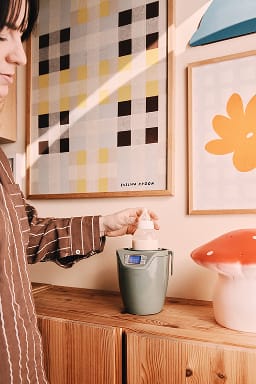
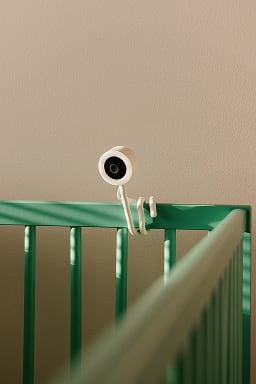
Therefore, minimalism has multiple benefits for child development and, to maintain it, it is essential to reduce excess visual noise. However, this does not mean giving up elements that ease daily life, such as baby monitors, bottle warmers or night lights for babies. Not only are they incredibly helpful, but when chosen well, they integrate naturally into both the home and the baby's room.

Why Minimalism Is Ideal for Homes with Babies
When a baby arrives, the home stops being just an aesthetic space and becomes a place where everything has to function. In this context, minimalism is not a trend, but a practical tool for reducing visual and mental clutter during a time of many changes and new adaptations.
A clearer environment does not mean an empty home, but a space designed to support the baby's development without adding unnecessary stimuli. In practice, this translates into very concrete benefits:
Ordered and Safe Spaces
By reducing the excess of objects, areas are freed up so the baby can move, play, and explore with more freedom, without constant distractions.
Ease of Cleaning
When the baby starts crawling and putting everything in their mouth, keeping surfaces clean becomes a real necessity.
Better Rest
A visually calm environment helps establish more stable sleep routines.
Creativity Without Overstimulation
Neutral spaces allow play to come from imagination, not from an excess of stimuli.
How to Apply Minimalism in the Baby's Room
A minimalist children's room does not mean doing away with what is necessary but rather choosing intentionally what truly adds value. To apply minimalism in the baby's room, consider these aspects:
Soft and Neutral Colours:
Colour can have a significant emotional impact, so it's preferable to choose natural colours that convey wellbeing and tranquility, such as white, beige, sand, or grey.
Functional and Evolutionary Furniture:
Babies grow, and their needs change. Therefore, furniture made from noble materials that can evolve, such as a dresser with a removable changing table or a cot that turns into a bed, is very useful.
Efficient Storage:
Spacious wardrobes, furniture with hidden storage, or well-structured solutions help maintain order and reduce visual clutter.
Simple Decoration:
A few colour accents, fabric play, small pictures, and simple decorations can give personality to your baby’s minimalist room.
How to Apply Minimalism in Homes with Babies
You don’t need a perfect home, nor should everything be reduced exclusively to the essentials. The key is choosing with criteria during a stage where space, time, and energy are limited.
Eliminate the Unnecessary and Clear the Space:
The first step is often the most obvious, but also the most complicated: accepting that not everything has to go into the house. Before adding, it’s best to review. Avoid accumulation, prioritise quality over quantity, and get rid of what is not used. This way, visual and emotional noise is reduced. It’s not about emptying but giving space room to breathe.
Colour, Light, and Accompanying Materials:
The foundation of minimalism remains in neutral tones: whites, sands, greys, or beiges, combined with natural shades like soft greens or terracotta. Natural light, boosted with light curtains or well-placed mirrors, enhances the feeling of space and calm. Materials like light wood, natural fibres, or textiles such as linen and cotton bring warmth without overwhelming the atmosphere.
Order That Lasts Over Time:
Discreet storage is key when there are babies in the house: wardrobes, drawers, baskets, or boxes help maintain order without everything being in plain sight. The difference isn’t in having more space, but in making sure everything has its place.
Furniture that Adapts to Growth:
At this stage, multifunctional furniture makes all the difference. Sofa beds, extendable tables, or modular furniture allow the home to adapt to visitors, changing routines, and new needs without giving up design.
Well-Integrated Baby Products:
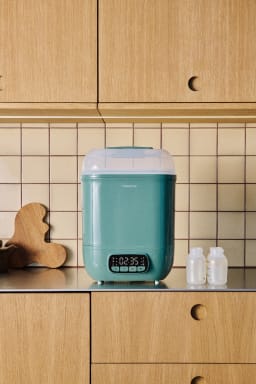
It’s inevitable to incorporate products that ease your daily life, like bottle sterilizers, baby monitors, or night lamps. The key is choosing functional pieces that integrate naturally into the aesthetics of your home without breaking the visual harmony.
Emotional Benefits of Minimalism in Rooms with Babies
The baby’s room should be a harmonious and minimalist space that promotes wellbeing. We’re not just talking about a space for sleeping, but one where you’ll change them, spend time with them, dress them in a hurry, or read them a story after a long day. And, in these contexts, the environment influences more than it seems:
A Sense of Calm and Security:
Clear spaces with few stimuli create a more predictable and peaceful environment, helping the baby feel safe and relaxed.
Less Sensory Overstimulation:
Reducing colours and objects avoids saturation and stress in the baby, creating a more welcoming environment for their nervous system.
More Stable Sleep Routines:
Visual order helps the baby rest and facilitates falling asleep.
A Stronger Emotional Bond:
When the space does not compete for attention, the baby’s focus shifts to the contact with the voice and presence of the adult.
Frequently Asked Questions About Minimalism and Homes with Babies
Is It Possible to Have a Minimalist Style Without Losing Functionality in a Home with a Baby?
Yes, and in fact, it’s one of its great advantages. Well-applied minimalism prioritises real functionality: choose only what is used, what brings comfort, and what integrates naturally into the home. In a home with a baby, this translates into more fluid spaces, easier to maintain, and adaptable to each stage.
How Do You Keep Order with the Arrival of New Items for the Baby?
It’s essential to bet on fewer but better thought-out objects, reducing unnecessary accumulations. It’s also recommended to use integrated storage resources, periodically review what is no longer used, and maintain simple order routines.
What Are the Best Minimalist Furniture for the Baby’s Room?
The best furniture is that which combines timeless design, simple lines, and functionality. For example, cots that convert into beds, dressers with storage and removable changing tables, open shelves at low heights, or evolutionary furniture that grows with the baby. Also, if they are made from natural materials and soft colours, they enhance the feeling of calm.
Will a Minimalist Room Affect the Baby’s Development in Any Way?
Positively. A visually clean and non-overstimulating environment promotes calm, concentration, and rest, which are fundamental in early development. A minimalist room allows the baby to explore, play, and interact with their environment more consciously and safely.
Minimalism is a movement that goes far beyond aesthetics, it is also a philosophy of life with multiple benefits for both you and your baby. Minimalism in homes with babies seeks functionality in the essentials, evolutionary furniture that can grow with the baby and accompany them at each stage, and tools that can make your daily life easier, such as a portable bottle warmer, a Baby Chefbot, or a steriliser. Especially if they are products that align with the aesthetics and colours of your home.